 Torna indietro
  newsletter
 webradio
 replay
Cycle
Louise Farrenc, a child of the century
Farrenc generation
Opening the festival, the classic violin-piano duo will lead us through the music of Chopin, Liszt, Gouvy and, of course, Farrenc! Who are these ‘children of the century’ who paved the way for musical Romanticism?
Chamber Music
Recital
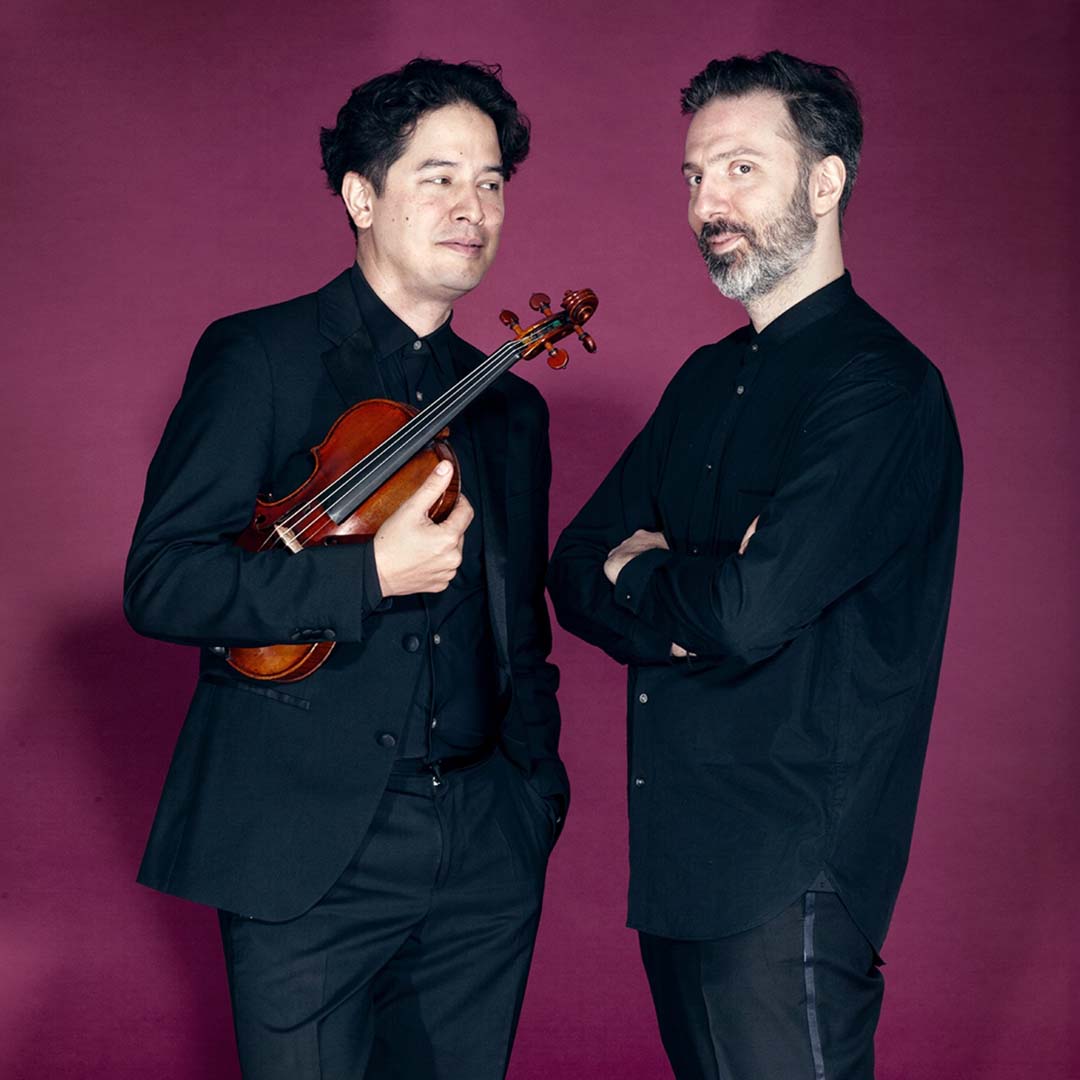
© Maarten Kools
Musical life in France during the years 1830 to 1850 was surprisingly rich, despite that being a period of great political upheaval. Paris was then a cultural hub, attracting talent from all over Europe. Chopin arrived from Poland, and Liszt from Hungary. While French grand opera was on the way to becoming the great new vocal genre, the world of chamber music was seeking its path, between virtuosity and introspection. In that context, Louise Farrenc played an important role as the guarantor of a “Classical” style inherited from Beethoven. Thus, she marked out a course in the history of the violin sonata in France that the next generation – Théodore Gouvy, in particular – was not to forget.
Dates
Performers
Noé Inui violin
Vassilis Varvaresos piano
Vassilis Varvaresos piano
Programme
FRÉDÉRIC CHOPIN
Nocturne pour piano n°1
LOUISE FARRENC
Sonate pour violon et piano n°2, op. 39 :
I. Allegro grazioso – II. Scherzo. Allegro – III. Adagio – IV. Finale. Allegro
FRANZ LISZT
Rapsodie hongroise pour piano n°2
THÉODORE GOUVY
Sonate pour violon et piano en sol mineur, op. 61 :
I. Allegro moderato – II. Andante – III. Vivace non troppo
Nocturne pour piano n°1
LOUISE FARRENC
Sonate pour violon et piano n°2, op. 39 :
I. Allegro grazioso – II. Scherzo. Allegro – III. Adagio – IV. Finale. Allegro
FRANZ LISZT
Rapsodie hongroise pour piano n°2
THÉODORE GOUVY
Sonate pour violon et piano en sol mineur, op. 61 :
I. Allegro moderato – II. Andante – III. Vivace non troppo