

 Torna indietro
  newsletter
 webradio
 replay
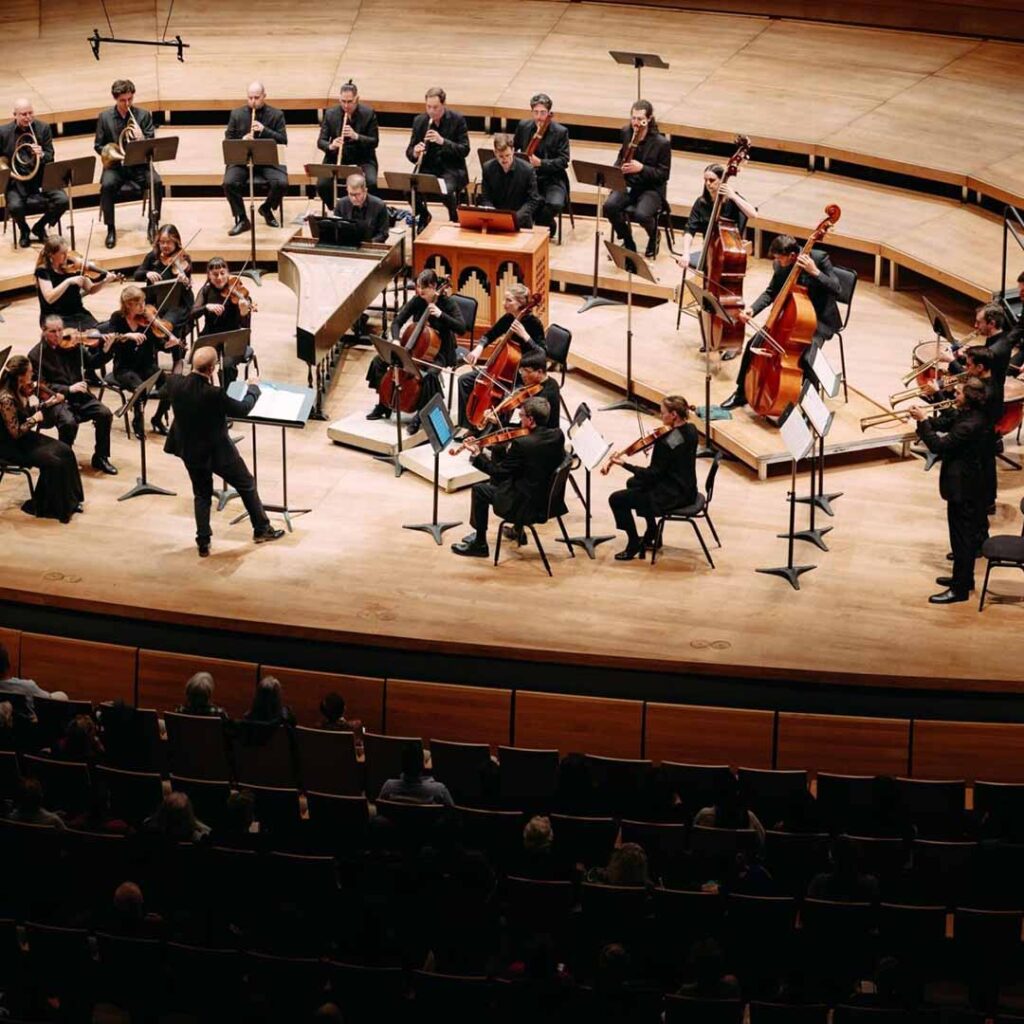
What kind of music was being performed in France, while Ludwig van Beethoven was revolutionising the musical aesthetics of Europe? As the Classical era drew to a close, a new world was taking shape.
Cycle
Paris at the age of Beethoven
“The subject of Fidelio belongs to the French stage. […] M. Bouilly […] presented it in 1798 under the title Léonore, ou L'Amour conjugal. […] The Italians and Germans took it up: Paër staged his Leonora in Dresden, and Beethoven his Fidelio in Vienna.”
La Gazette de France, 12 May 1830.
On the threshold of a new era
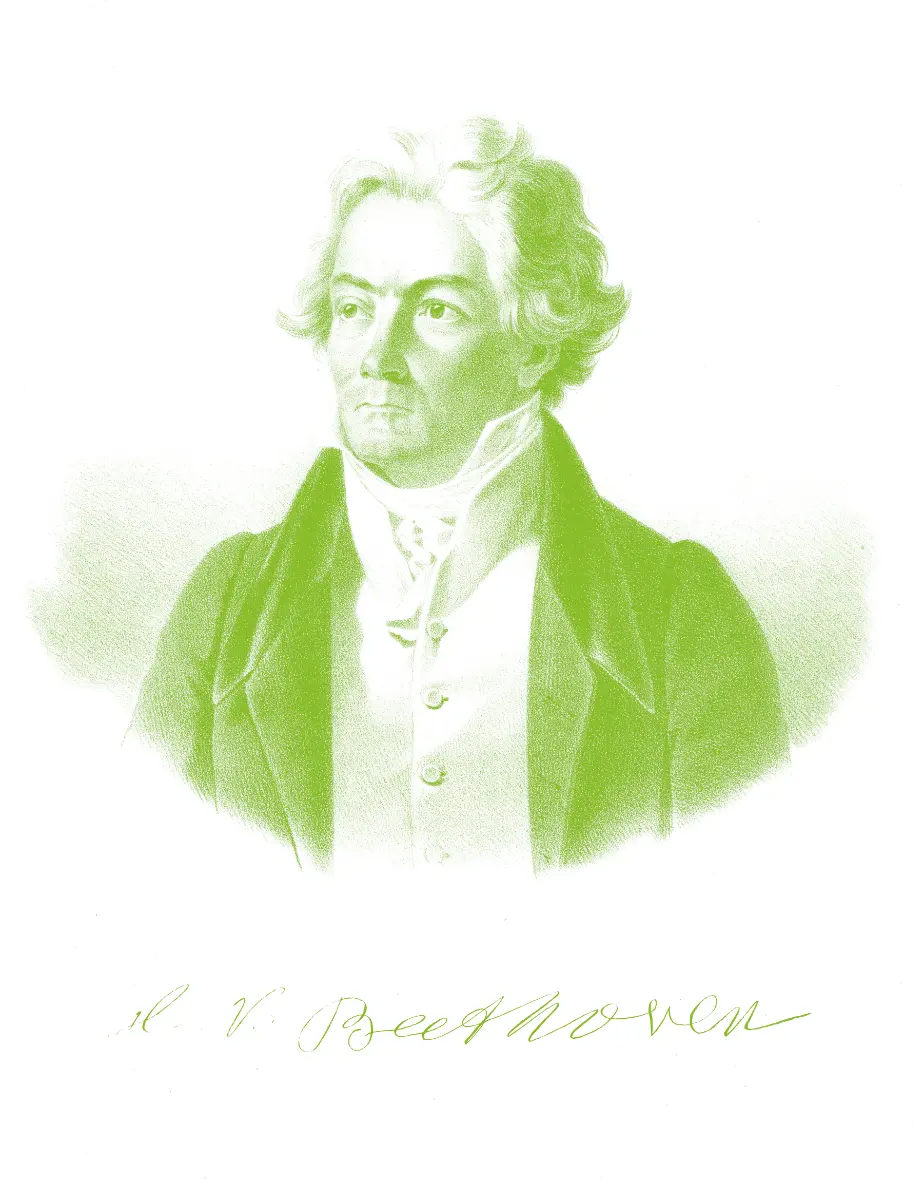
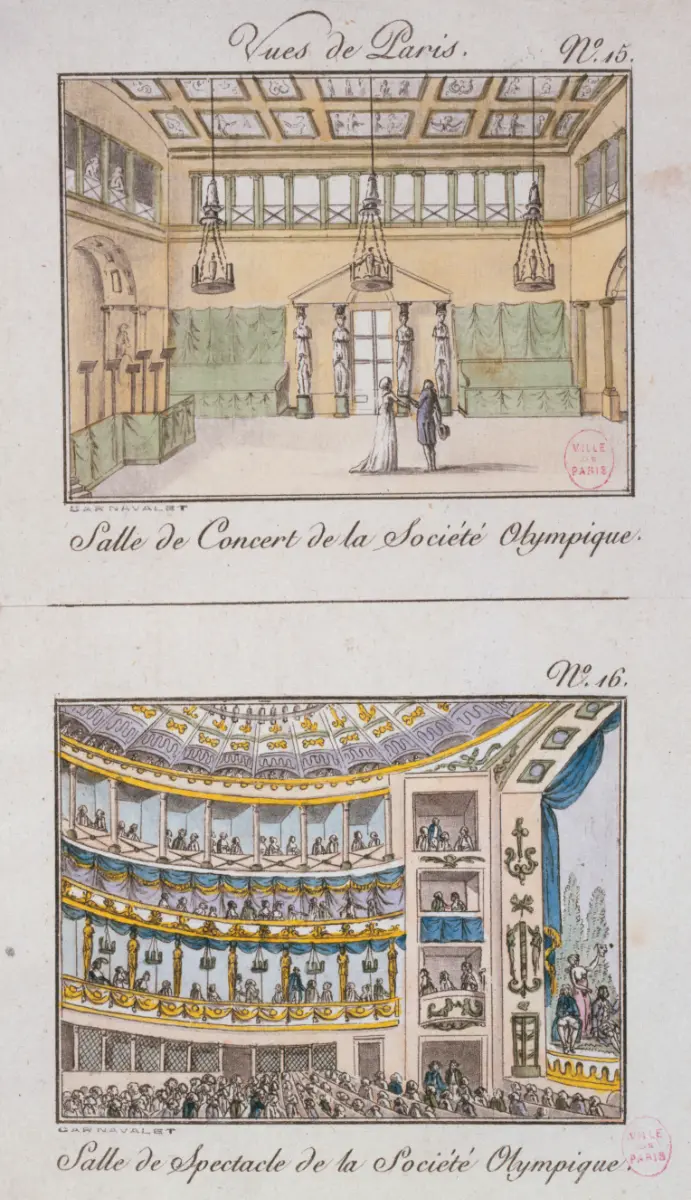
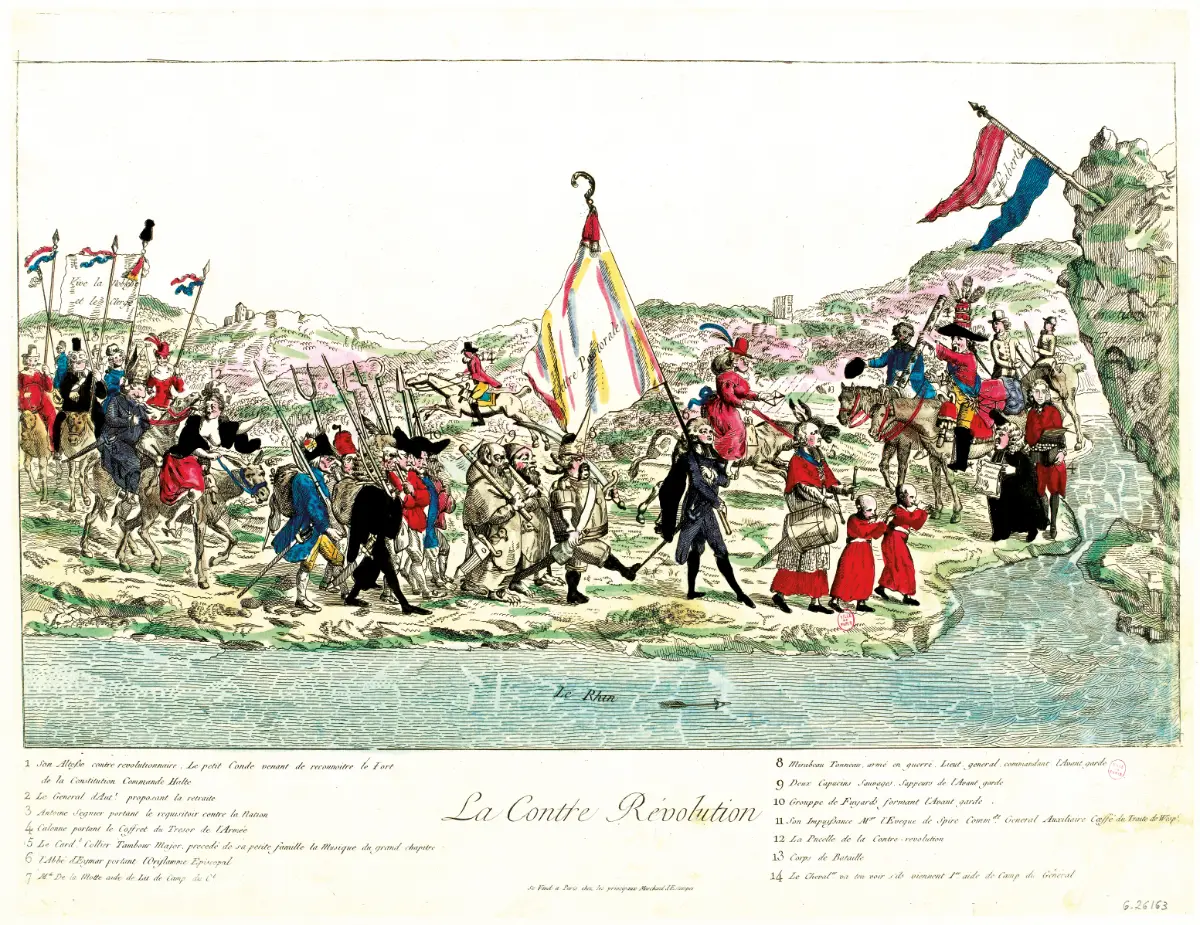
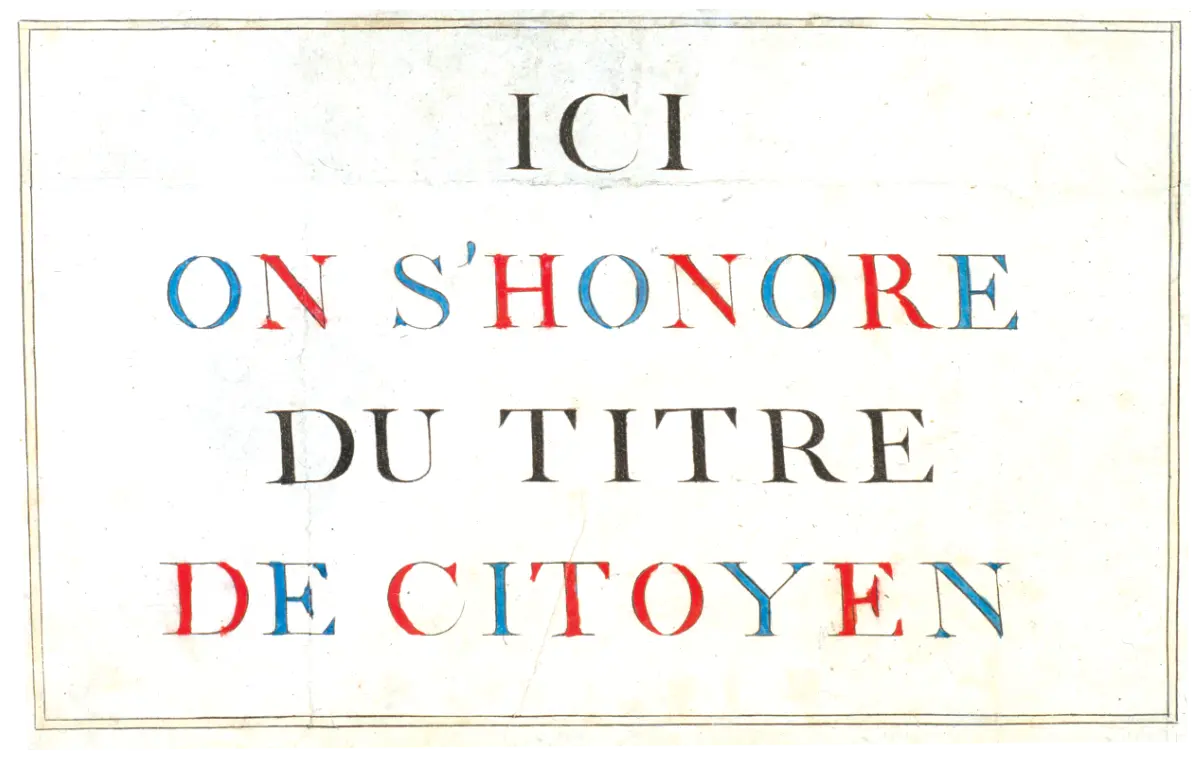
Beethoven’s output, spanning the years 1782–1827, coincided precisely with an important turning point in musical history: Europe’s transition from Classicism to Romanticism. The unstable political and military situation during those years partly explains the aesthetic instability of that transitional period. The French Revolution set the continent ablaze; the Empire and its fall redrew the borders. The ideas of the Enlightenment inspired leaders for a time and took root. Under the Ancien Régime, the clergy and the nobility were the two cornerstones of the musical world: their destabilisation forced artists to organise themselves differently. Founded by the Republicans in 1795, the Paris Conservatoire emerged as a safe haven: sheltered from the vicissitudes of power, the school defined a new musical ideal.
The spirit of the Revolution
In the realm of music, the revolution began in France under the impetus of Queen Marie-Antoinette. She played a pivotal role in ushering in significant changes in the spheres of opera and dance by attracting to her court figures such as Gluck (who arrived in Paris in 1773), Grétry (in 1774), Piccinni and the ballet master Noverre (in 1776). The ranks of the reformers expanded in the 1780s, and in 1784, to support the movement, France established the “École royale de chant” (later to become the Conservatoire), directed by Gossec. When political revolution took hold, the powers that be assigned new tasks to musicians: to provide music for the patriotic celebrations they organised, to train French musicians, and to disseminate the new ideas as widely as possible. The many revolutionary songs composed during the 1790s were not alone in fulfilling the latter objective. The flourishing opéra-comique of the turn of the century, composed by Dalayrac, Gaveaux, Méhul, Isouard, Berton, Gail and Boieldieu, spread throughout France a dramaturgy inherited from the Enlightenment. Its influence even spread beyond France: the libretto of Beethoven’s Fidelio (1814) imitates that of Gaveaux’s Léonore, ou L'Amour conjugal (1798).
Beethoven the Francophile
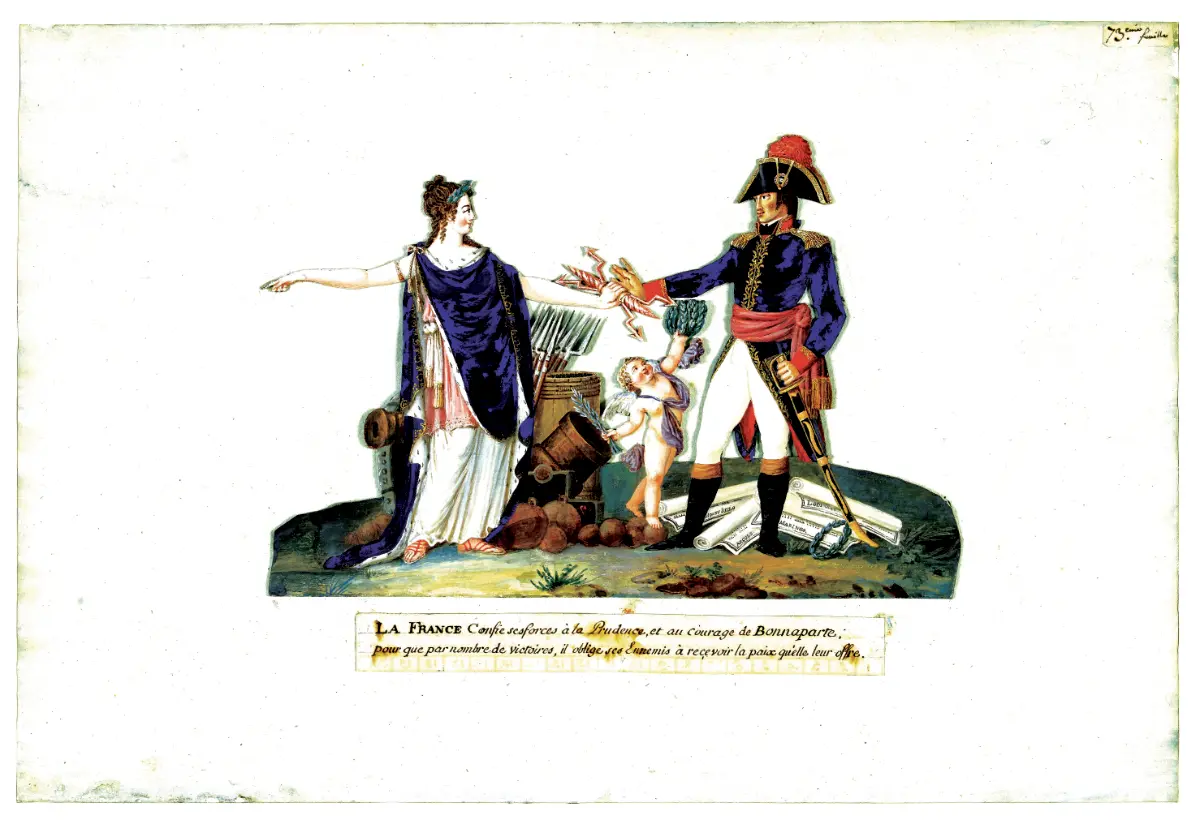
Beethoven, who was captivated by republican ideas from a very early age, followed Napoleon Bonaparte’s early career with hope. However, the return to tyranny that Napoleon ushered in by declaring himself Emperor in 1804 completely extinguished the musician’s enthusiasm. The story is well known: the dedication of the “Eroica” Symphony, originally intended for the general, was subsequently deleted. But it would be wrong to reduce Beethoven’s relationship with France to just that one anecdote. Although he never had the opportunity to travel in France, he took a keen interest in the reception and publication of his works on the other side of the Rhine. He also formed friendships with French figures such as Baron de Trémont, whom he met in Vienna in 1809, and with composers who were making their careers in Paris, including notably his childhood friend Antoine Reicha, who became a key figure at the Paris Conservatoire during the Restoration. Throughout his life, he also had a deep admiration for Luigi Cherubini, who was a prominent figure of the French school in the first half of the nineteenth century. Finally, it is worth noting that Beethoven dedicated his famous Violin Sonata no. 9 to the French virtuoso Rodolphe Kreutzer.
Beethoven’s music in France
In 1828, the Société des Concerts du Conservatoire, under its founding conductor François-Antoine Habeneck, undertook to promote Beethoven’s symphonic works at each of its concerts. This systematic (and posthumous) promotion should not, however, obscure the fact that the composer’s first works published in Paris date from 1799, and that French audiences were able to hear his symphonies in concert as early as March 1807. The reception of those works proved as variable as the spelling of his name in the French press (Beethowen, Bethoowen, Bethowen, Béethowen). In March 1810, Les Tablettes de Polymnie denounced “the most barbaric dissonances”; a year later, the same publication hailed a composer “endowed with colossal genius, intense verve, and a strikingly original imagination”. It seems certain, however, that his catalogue had not yet reached the general public: publishers felt that it appealed only to professors, who used it to set exercises for their Conservatoire students. From 1814 onwards, Pierre Baillot, a violin professor at the Paris Conservatoire, became the leading advocate of Beethoven’s chamber music.
An example worth following?
In its early years, the Paris Conservatoire drew on Viennese Classicism to train a new generation of French artists. Beethoven’s music, deemed “often bizarre and baroque” by commentators of the time, seems to have been considered a “dangerous example” that might lead students astray. Yet the discovery of his orchestral music acted as a catalyst for certain French composers. Following the first two performances of Beethoven’s symphonies in Paris, Étienne-Nicolas Méhul produced four such compositions in three years (1808–1810). While some musicians, such as Ferdinand Hérold, remained wary of the master’s audacity, a new generation trained by Antoine Reicha gradually came to understand the significance of his musical legacy. One of the most notable of these was undoubtedly George Onslow – whose affinity with the German composer earned him the nickname “the French Beethoven” – but his most ardent admirer was, without question, Hector Berlioz. The composer of the Symphonie fantastique described the “Appassionata” sonata, for instance, as “greater than anything ever produced by the art of music”.
Beethoven’s output, spanning the years 1782–1827, coincided precisely with an important turning point in musical history: Europe’s transition from Classicism to Romanticism. The unstable political and military situation during those years partly explains the aesthetic instability of that transitional period. The French Revolution set the continent ablaze; the Empire and its fall redrew the borders. The ideas of the Enlightenment inspired leaders for a time and took root. Under the Ancien Régime, the clergy and the nobility were the two cornerstones of the musical world: their destabilisation forced artists to organise themselves differently. Founded by the Republicans in 1795, the Paris Conservatoire emerged as a safe haven: sheltered from the vicissitudes of power, the school defined a new musical ideal.
The spirit of the Revolution
In the realm of music, the revolution began in France under the impetus of Queen Marie-Antoinette. She played a pivotal role in ushering in significant changes in the spheres of opera and dance by attracting to her court figures such as Gluck (who arrived in Paris in 1773), Grétry (in 1774), Piccinni and the ballet master Noverre (in 1776). The ranks of the reformers expanded in the 1780s, and in 1784, to support the movement, France established the “École royale de chant” (later to become the Conservatoire), directed by Gossec. When political revolution took hold, the powers that be assigned new tasks to musicians: to provide music for the patriotic celebrations they organised, to train French musicians, and to disseminate the new ideas as widely as possible. The many revolutionary songs composed during the 1790s were not alone in fulfilling the latter objective. The flourishing opéra-comique of the turn of the century, composed by Dalayrac, Gaveaux, Méhul, Isouard, Berton, Gail and Boieldieu, spread throughout France a dramaturgy inherited from the Enlightenment. Its influence even spread beyond France: the libretto of Beethoven’s Fidelio (1814) imitates that of Gaveaux’s Léonore, ou L'Amour conjugal (1798).
Beethoven the Francophile
Beethoven, who was captivated by republican ideas from a very early age, followed Napoleon Bonaparte’s early career with hope. However, the return to tyranny that Napoleon ushered in by declaring himself Emperor in 1804 completely extinguished the musician’s enthusiasm. The story is well known: the dedication of the “Eroica” Symphony, originally intended for the general, was subsequently deleted. But it would be wrong to reduce Beethoven’s relationship with France to just that one anecdote. Although he never had the opportunity to travel in France, he took a keen interest in the reception and publication of his works on the other side of the Rhine. He also formed friendships with French figures such as Baron de Trémont, whom he met in Vienna in 1809, and with composers who were making their careers in Paris, including notably his childhood friend Antoine Reicha, who became a key figure at the Paris Conservatoire during the Restoration. Throughout his life, he also had a deep admiration for Luigi Cherubini, who was a prominent figure of the French school in the first half of the nineteenth century. Finally, it is worth noting that Beethoven dedicated his famous Violin Sonata no. 9 to the French virtuoso Rodolphe Kreutzer.
Beethoven’s music in France
In 1828, the Société des Concerts du Conservatoire, under its founding conductor François-Antoine Habeneck, undertook to promote Beethoven’s symphonic works at each of its concerts. This systematic (and posthumous) promotion should not, however, obscure the fact that the composer’s first works published in Paris date from 1799, and that French audiences were able to hear his symphonies in concert as early as March 1807. The reception of those works proved as variable as the spelling of his name in the French press (Beethowen, Bethoowen, Bethowen, Béethowen). In March 1810, Les Tablettes de Polymnie denounced “the most barbaric dissonances”; a year later, the same publication hailed a composer “endowed with colossal genius, intense verve, and a strikingly original imagination”. It seems certain, however, that his catalogue had not yet reached the general public: publishers felt that it appealed only to professors, who used it to set exercises for their Conservatoire students. From 1814 onwards, Pierre Baillot, a violin professor at the Paris Conservatoire, became the leading advocate of Beethoven’s chamber music.
An example worth following?
In its early years, the Paris Conservatoire drew on Viennese Classicism to train a new generation of French artists. Beethoven’s music, deemed “often bizarre and baroque” by commentators of the time, seems to have been considered a “dangerous example” that might lead students astray. Yet the discovery of his orchestral music acted as a catalyst for certain French composers. Following the first two performances of Beethoven’s symphonies in Paris, Étienne-Nicolas Méhul produced four such compositions in three years (1808–1810). While some musicians, such as Ferdinand Hérold, remained wary of the master’s audacity, a new generation trained by Antoine Reicha gradually came to understand the significance of his musical legacy. One of the most notable of these was undoubtedly George Onslow – whose affinity with the German composer earned him the nickname “the French Beethoven” – but his most ardent admirer was, without question, Hector Berlioz. The composer of the Symphonie fantastique described the “Appassionata” sonata, for instance, as “greater than anything ever produced by the art of music”.